Protestors try building support to stop I-70 expansion
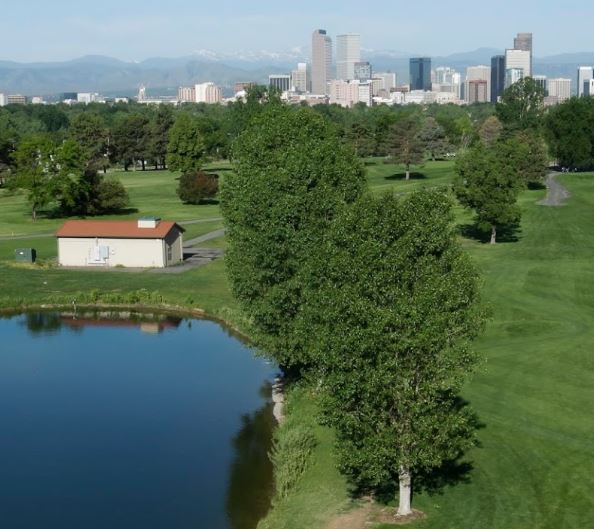
A view of the city from above, taken by a helicopter.


June 18, 2017, by

Fox/Channel 2 News Jun 18, 2017

[dropshadowbox align=”none” effect=”raised” width=”auto” height=”” background_color=”#fae7e8″ border_width=”1″ border_color=”#dddddd” inside_shadow=”false” outside_shadow=”false” ]Original Article Found Here [/dropshadowbox]

DENVER — We’ve been talking about expanding I-70 through the metro for nearly 15 years. And still, opposition to it stands strong–literally.

Dozens of folks came out to continue fighting the I-70 Expansion project they say is too expensive and won’t do much to reduce traffic congestion on Sunday.

The Colorado Department of Transportation (CDOT) built the section of I-70 in the 1960’s. And now, CDOT will rebuild what’s considered the worst-rated bridge starting early next year.

That is, unless, a group with their “Ditch the Ditch” signs, can halt the highway.

Read more

Process for obtaining permits for events at Denver parks questioned

A man sitting in a chair on the grass.


[dropshadowbox align=”none” effect=”raised” width=”auto” height=”” background_color=”#fae7e8″ border_width=”1″ border_color=”#dddddd” inside_shadow=”false” outside_shadow=”false” ]Original Article published by KDVR, It can be found here. Author Vicente Arenas May 22, 2017 [/dropshadowbox]

DENVER — After the denial of permits for Denver’s 420 Rally, questions are being raised about how permits are granted to organizations holding events in public parks.

Some people believe there should be a more vigorous public discussion before the city gives event organizers a green light.

The smattering of homes near the Overland Golf Course Park is usually a quiet neighborhood.

But it won’t be that way for several weeks in the fall of 2018 if the city approves a permit for a concert and art show that could temporarily shut down the course.

Helene Orr, who lives across the street said, “When you’re talking 50,000 to 70,000 people per day for three days your talking three weeks of major construction … and we’re talking stages that are two and three stories high. This is a major major thing happening.â€

Orr said there was never a public notice that a company had applied to hold the event here.

“The city feels like they have the right to use or misuse for whatever they want to do. And combine with a neighborhood that doesn’t have a lot of lawyers and architects that live there to fight it,†she said.

“It’s not fair,†Tom Morris said.

Morris has been fighting to change the way the city of Denver approves permits for events at public parks.

“We need to have an organized expectable process where we’re guaranteed to be notified if there is going to be a change in the use of the park and time to think about it and opportunities to participate with public discussion,†Morris said.

The city’s Parks and Rec Department told us organizations currently only need to apply for a permit.

No public hearings are necessary.

That’s not good enough according to Morris.

“I have been asking to zone the parks because we apply zoning to every other scrap of land in the city and not our most valuable land which is these parks.â€

The city has not yet approved the concert and show at Overland.

A parks spokesman said it wants to make sure the venue is ready to handle the noise, trash and parking.

Still, some who live here are worried there will be problems.

Reinforcements Are Coming in the Grassroots Fight Against I-70 Expansion

A blue and red interstate sign with the words " ditch the ditch 7 0 ".


Published in Denver Streets Blog

ORIGINAL ARTICLE HERE

The Center for Health, Environment, and Justice has joined the Elyria Swansea Neighborhood Association in the fight against a wider I-70, granting $5,000 to the cause.

CHEJ is based in Falls Church, Virginia, but has national reach. Environmental health activist Lois Marie Gibbs founded the organization after a successful campaign to get New York state to clean up the Love Canal site in the 1970s. The state had insisted for years that an industrial dumping ground in Niagara Falls had nothing to do with elevated rates of childhood illness and birth defects. Gibbs’ led the fight to protect people from pollutants at Love Canal and became known as the “Mother of Superfund,†the federal program for remediating toxic sites.

The new grant won’t fund litigation against the I-70 project — though legal action is still likely — but will rather amplify the message of Denverites already fighting the project.

“Local residents are the most qualified environmental police CHEJ knows,†Gibbs said in a statement.

The Colorado Department of Transportation’s plan to push more cars through the mostly Latino, low-income neighborhoods of Globeville, Elyria, and Swansea, requires digging a 40-foot ditch. To protect that ditch from flooding, the Hancock administration and Denver City Council made a deal with CDOT: They put Denver taxpayers on the hook for widening I-70 in exchange for flood protection work.

Nearby residents are concerned about the environmental implications of both projects. In addition to the traffic and pollution that come from widening a highway, there’s toxic soil — rife with lead and arsenic — at the site of the outfall project, which is part of a federal Superfund site [PDF]. All this in the most polluted populated area in the United States.

“We just don’t have faith that CDOT, the city, or the [Environmental Protection Agency] has followed required procedures, or that they’ll follow the rules in the future,†ESNA President Drew Dutcher told Streetsblog.

Feeding that distrust, Dutcher said, is the fact that CDOT decided against a prior version of the I-70 ditch because of “unacceptable effects on aquatic and ecological resources and increased potential for encountering contaminated groundwater or soils,†according to a 2008 environmental impact statement (page 3-17). He wants to know what’s changed.

The city is trying to “control the public image†of the projects, Dutcher said, and the grant will counteract that by boosting the research and outreach efforts of north Denver residents.

“We really feel that we’re being spoon-fed information by the city and EPA, and we need resources to just look at all the work that’s being done, how it’s being monitored, what are the possible hazards,†Dutcher said. “So it’s really just kind of a citizen-led effort to understand everything that’s going on.â€

ORIGINAL ARTICLE HERE


1 2 3 4